Advancinghuman-centricityinorganizations.
Our Focus
Our Focus
Four interconnected areas where emerging technology meets organizational change.
Lab in Action
IF Lab Features
Lab in Action
IF Lab Features

X
Stand With Crypto
Read on X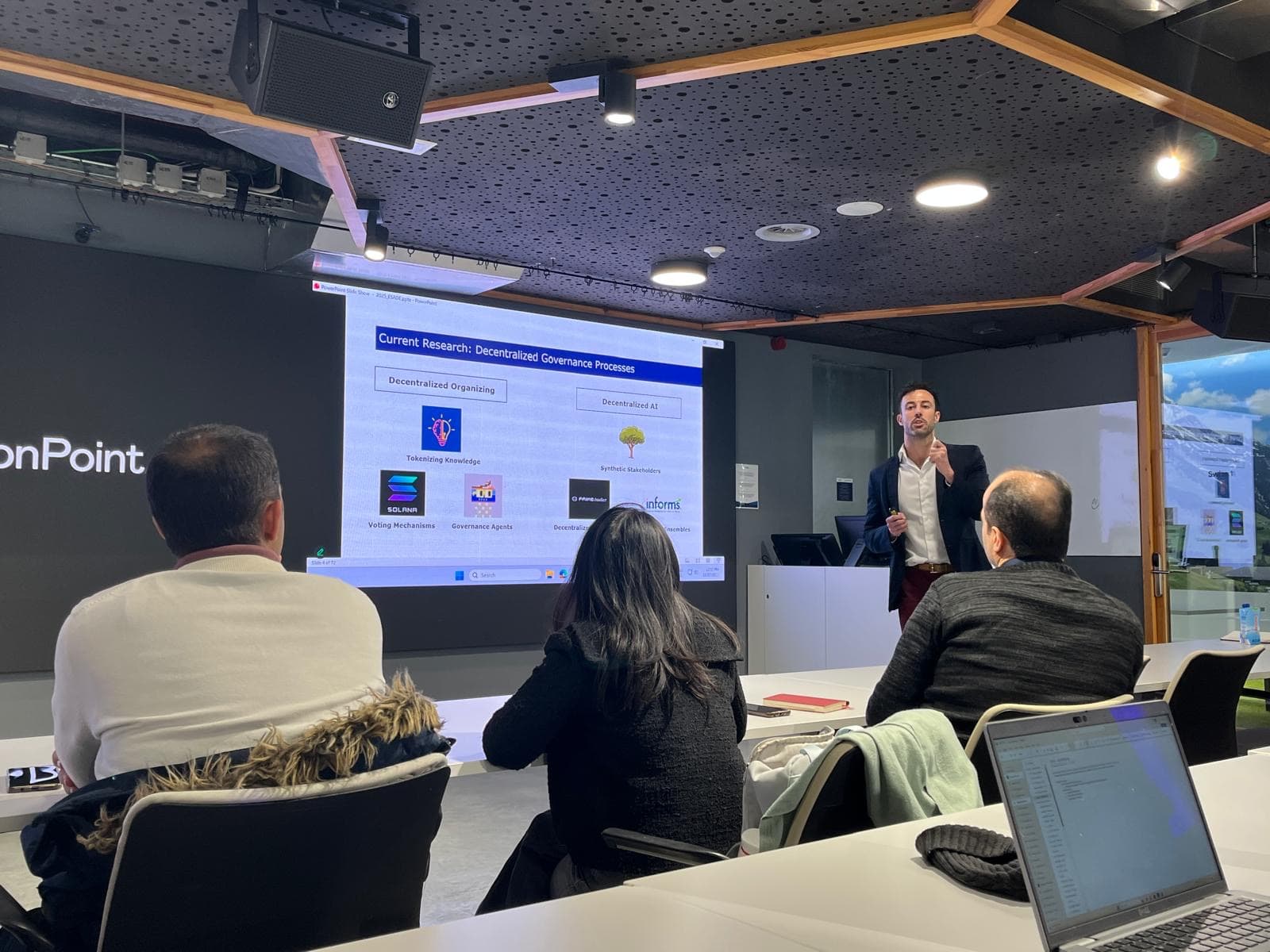

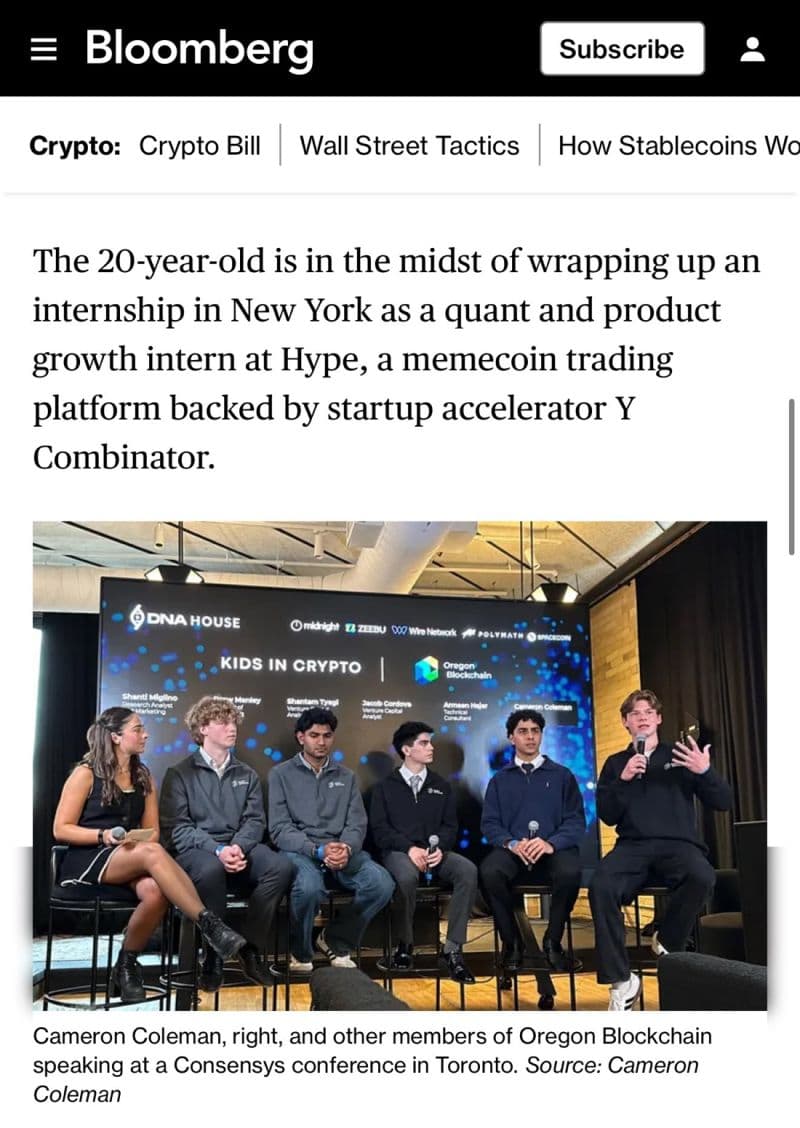
Bloomberg
Venture Capitalists Take Crypto Back to School in New Courtship
ft. Cameron Coleman, IF Lab Affiliate
Read Article
ETHGlobal
Alpha Markets Wins ETHOnline 2026
ft. Dhru Patel, IF Lab Affiliate
View on ETHGlobal
X
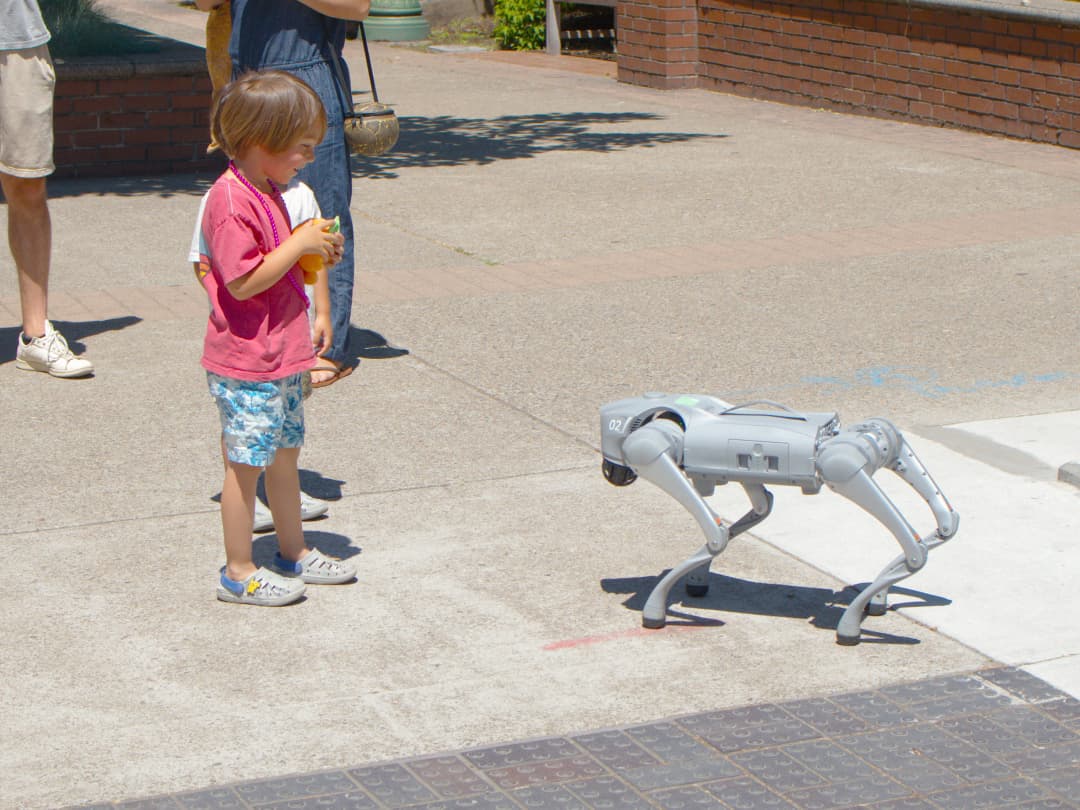
Field Report: AI Data Centers in Eastern Oregon
ft. Arya Krishnagiri, IF Lab
Read on X
ETHGlobal Cannes 2026
Equitas — 3rd Place, Best Use of World ID 4.0
ft. Cameron Coleman, IF Lab Affiliate
View on ETHGlobalFeatured Publications
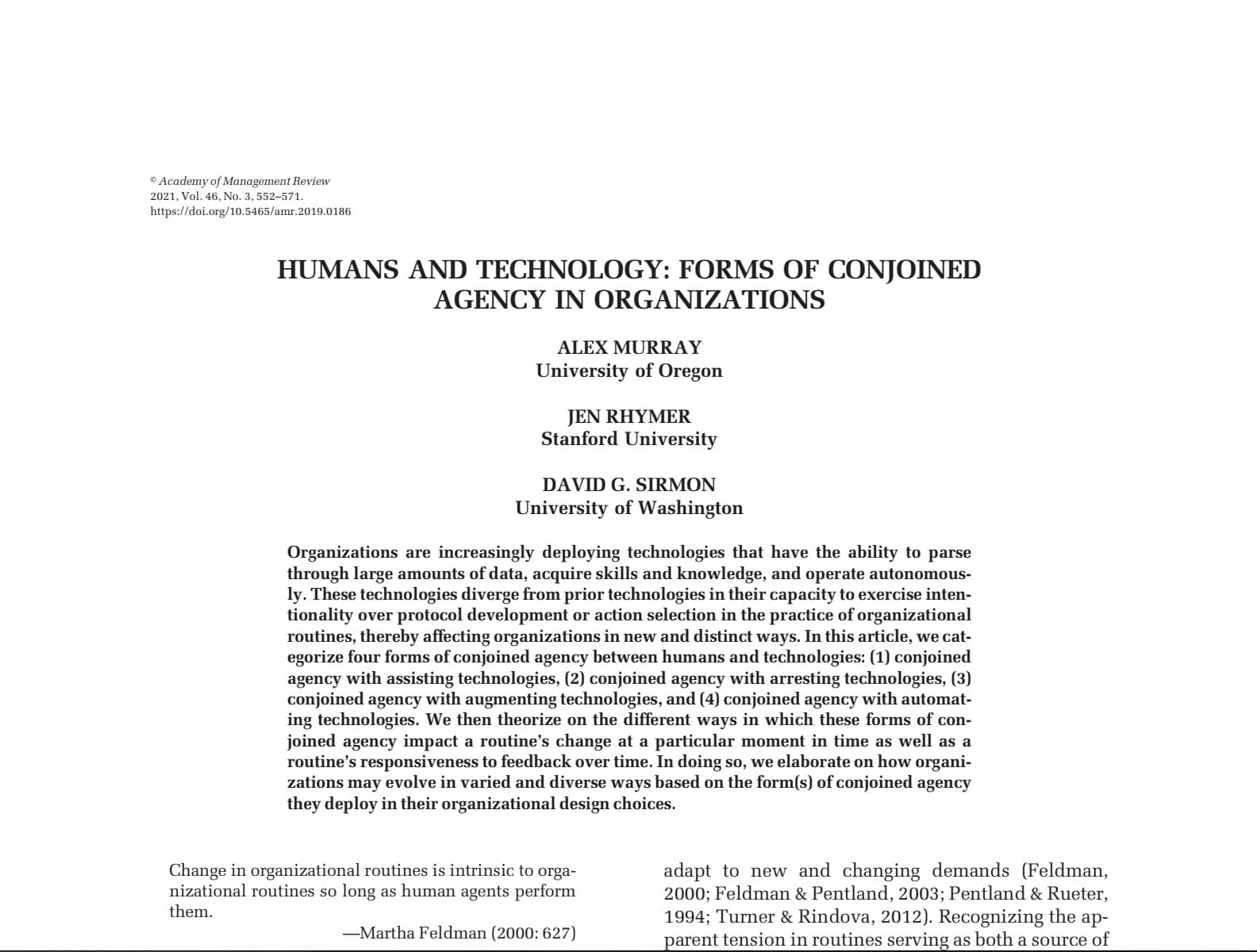
2021
Academy of Management Review
Humans and technology: Forms of conjoined agency in organizations
Alex Murray, Jen Rhymer, and David Sirmon
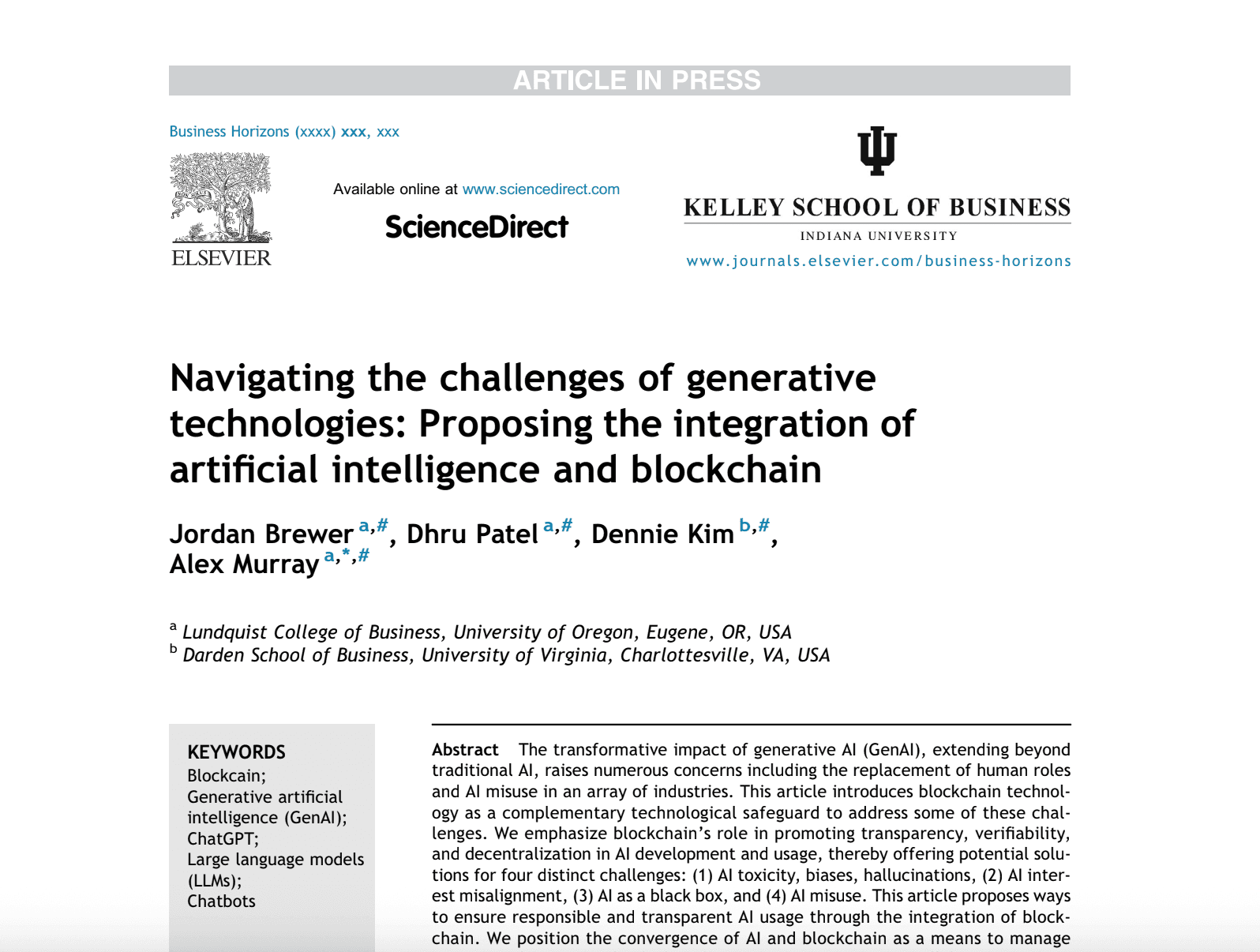
2024
Business Horizons
Navigating the challenges of generative technologies: Proposing the integration of artificial intelligence and blockchain
Jordan Brewer, Dhru Patel, Dennie Kim, and Alex Murray
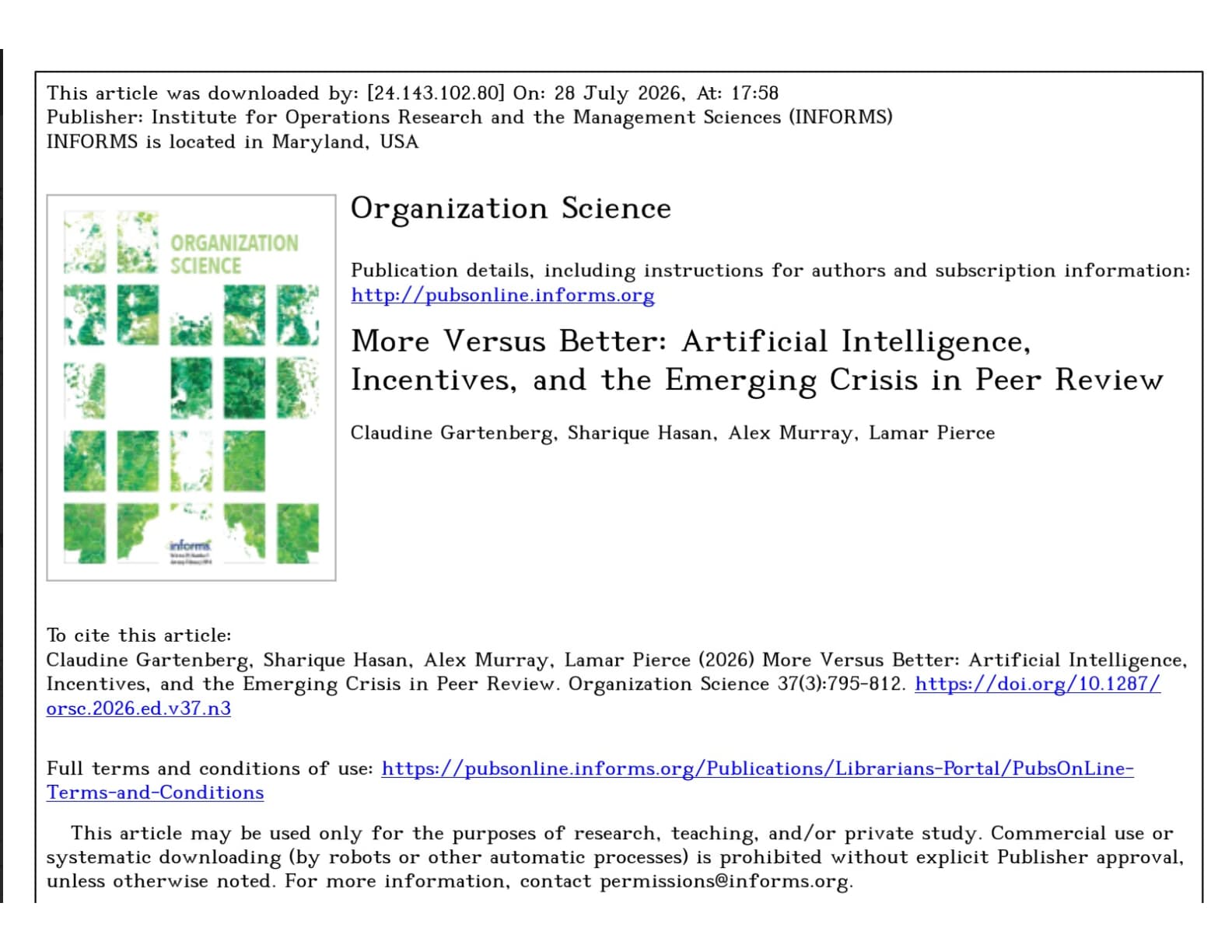
2026
Organization Science
More versus better: Artificial intelligence, incentives, and the emerging crisis in peer review
Claudine Gartenberg, Sharique Hasan, Alex Murray, and Lamar Pierce
From the Blog
All posts
Jun 24, 2026 · 5 min read
Driving the Gorge: What the Data Center Boom Looks Like Up-Close
by Evan Thompson and Arya Krishnagiri

May 26, 2026 · 25 min read
Tokenizing SNAP: Fixing America’s $113B Food Safety Net
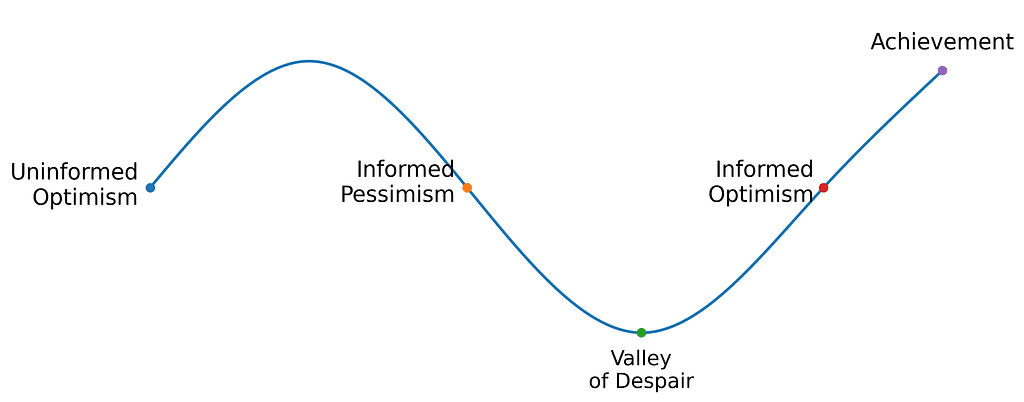
Apr 14, 2026 · 16 min read
A B.I.T.O Model to Bring Start-ups, Creators, and Builders into the IF LAB

Mar 17, 2026 · 9 min read
Building at What Cost? Unpacking the Infrastructure Ambitions of America’s AI Action Plan
Mar 16, 2026 · 7 min read
Benchmarking Qwen AI Agents Against a Frontier Model
FAQ
FAQ
Get Involved
We're looking for curious, motivated students interested in AI, blockchain, and the future of work. Reach out to learn about open positions, research opportunities, and how to contribute.